Introduction
Planning a European city break in 2026 has never been more exciting. With new budget flight routes expanding access to lesser-known destinations, major cultural events drawing crowds to historic capitals, and post-pandemic travel infrastructure reaching peak efficiency, this year offers something for every type of urban explorer.
We've evaluated dozens of European cities based on accessibility, value for money, cultural offerings, and seasonal timing to bring you this curated selection. Whether you're chasing weekend adventures, romantic escapes, or solo discovery trips, these destinations deliver memorable experiences without requiring weeks of vacation time.
Our methodology weighs practical factors—flight availability, accommodation costs, walkability—alongside the intangible magic that makes a city break special. We've personally visited each destination within the past 18 months and consulted European Best Destinations rankings alongside traveler feedback to ensure our picks reflect current conditions, not outdated guidebook wisdom.
Quick Comparison
Before diving into detailed recommendations, here's how our top European city breaks stack up across key factors that matter most for weekend getaways.
| City | Best For | Avg. Weekend Cost | Ideal Season | Flight Accessibility |
|---|---|---|---|---|
| Lisbon | Overall Experience | €400-550 | Mar-May, Sep-Oct | Excellent |
| Ljubljana | Budget Travelers | €250-350 | May-Sep | Good |
| Copenhagen | Premium Experience | €600-800 | May-Aug | Excellent |
| Porto | Food & Wine | €300-450 | Apr-Jun, Sep-Oct | Very Good |
| Seville | Culture Seekers | €350-500 | Mar-May, Oct-Nov | Very Good |
| Tallinn | Off-Beat Adventure | €280-400 | May-Sep | Good |
Best Overall: Lisbon
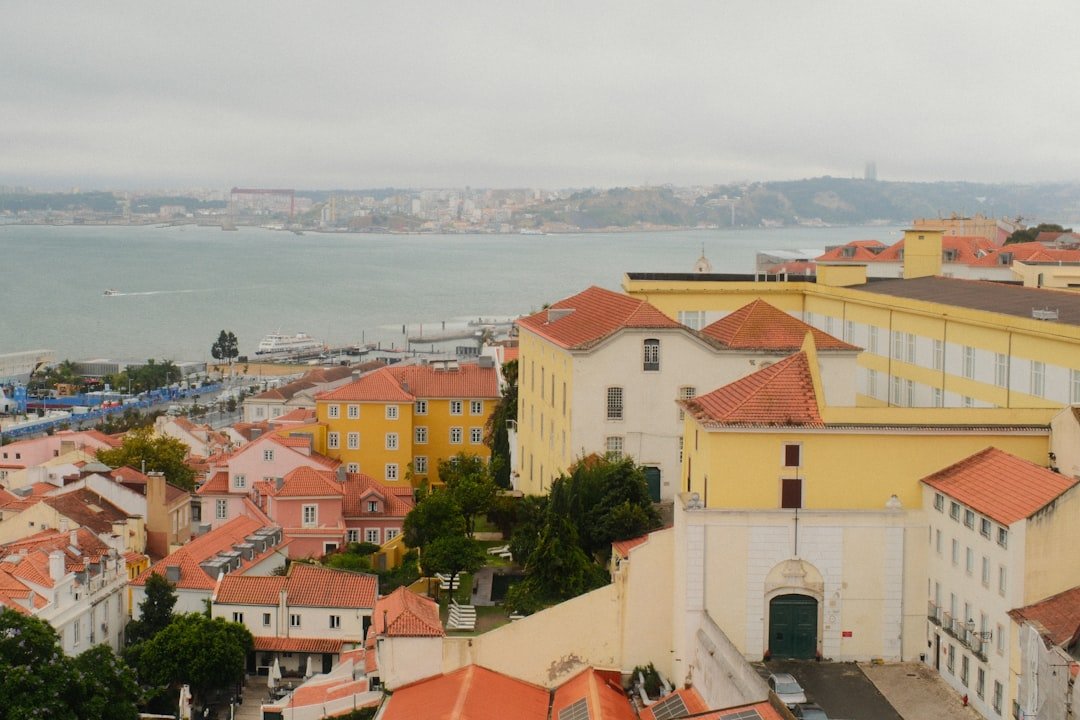
Photo by Farnaz Kohankhaki on Unsplash
Lisbon claims our top spot for 2026, delivering an unmatched combination of affordability, accessibility, and authentic character. The Portuguese capital has mastered the art of the city break—compact enough to explore on foot, diverse enough to reward repeat visits, and blessed with weather that extends the travel season well beyond summer months.
New direct routes from several North American hubs have made transatlantic weekend trips increasingly viable, while European travelers benefit from some of the continent's most competitive flight prices. The city's seven hills might challenge your calves, but the iconic yellow trams and efficient metro system offer relief when needed.
- Exceptional value compared to Western European capitals
- World-class food scene from pastéis de nata to Michelin dining
- Walkable historic center with distinct neighborhood personalities
- Reliable weather from March through November
- Steep hills can be challenging for mobility-limited travelers
- Popular areas like Baixa get crowded midday
- Some tourist-trap restaurants in prime locations
Don't miss in 2026: The newly expanded MAAT (Museum of Art, Architecture and Technology) hosts a major retrospective on Portuguese contemporary artists running through autumn. The Feira da Ladra flea market remains the city's best free entertainment every Tuesday and Saturday.
Best Budget Option: Ljubljana
Slovenia's capital flies under the radar for many travelers, which works decidedly in your favor. Ljubljana offers the charm of Prague or Vienna at roughly half the cost, with a pedestrianized city center that feels designed specifically for leisurely weekend exploration.
The compact old town stretches along the Ljubljanica River, where café terraces spill onto cobblestone streets and Jože Plečnik's distinctive architecture creates an atmosphere unlike anywhere else in Europe. A funicular ride to Ljubljana Castle provides panoramic views, while the city's commitment to sustainability (it won the European Green Capital award) means clean streets, excellent cycling infrastructure, and farm-to-table dining as the norm rather than exception.
Budget carriers including Wizz Air and expanded easyJet routes have dramatically improved Ljubljana's accessibility in 2026. The city works brilliantly as a standalone weekend destination or as a gateway to the Julian Alps—Lake Bled makes an irresistible day trip that adds alpine drama to your urban escape.
Best Premium Option: Copenhagen
For travelers seeking a refined city break where every detail feels considered, Copenhagen rewards generously. Yes, the Danish capital demands a higher budget—but it delivers experiences that justify the investment through world-leading design, cuisine that has redefined Nordic cooking, and a quality of life you can taste in every interaction.
The city pioneered the New Nordic food movement, and dining remains a highlight whether you're securing reservations at establishments like Noma and Geranium or discovering neighborhood wine bars serving smørrebrød with creative flair. Beyond gastronomy, Copenhagen's design district, royal palaces, and the surprisingly charming Tivoli Gardens create a weekend packed with variety.
2026 highlight: The Copenhagen Contemporary art center's summer exhibition program has drawn international attention, while the city's ambitious harbor pool system continues expanding—free public swimming in clean harbor waters remains one of Europe's great urban pleasures.
Transportation couldn't be simpler: the metro runs directly from the airport to the city center in 15 minutes, and Copenhagen's legendary cycling culture means bikes offer the fastest way to explore. Most hotels provide complimentary cycles, or the city's Bycyklen electric bike-share system gets you moving within minutes of arrival.
Best for Food & Wine: Porto
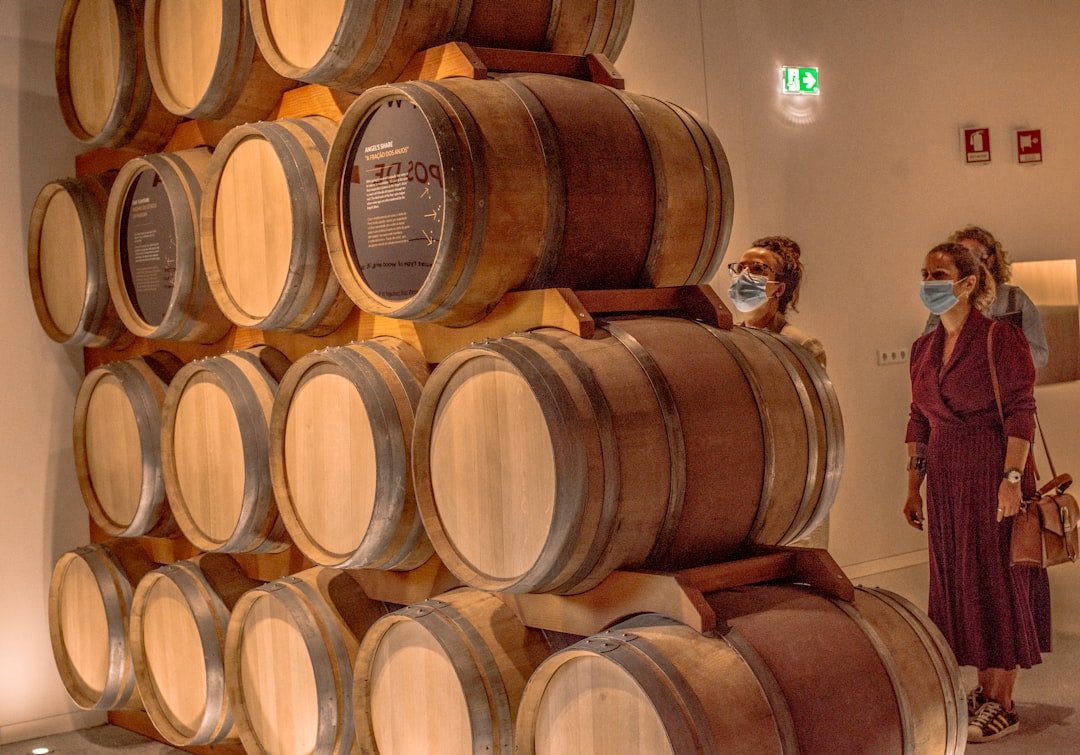
Porto has emerged from Lisbon's shadow to become Portugal's culinary powerhouse. The UNESCO-listed Ribeira district provides the romantic backdrop, but it's the city's food scene—from traditional tascas serving francesinha sandwiches to innovative restaurants earning international recognition—that makes Porto essential for gastronomy-focused travelers.
The port wine lodges of Vila Nova de Gaia, just across the Douro River, offer tastings ranging from quick introductions to deep-dive vintage explorations. Beyond port, the Douro Valley's table wines have earned serious credibility, and Porto's restaurants showcase them with pride.
A weekend here should include at least one morning at Mercado do Bolhão, the recently restored market hall where local vendors sell everything from bacalhau to seasonal produce. For contemporary Portuguese cuisine, the Foz do Douro neighborhood near the Atlantic delivers seafood restaurants worth the short tram ride.
Budget tip: Porto's best meals often come from modest establishments. Cervejaria Brasão serves one of the city's best francesinha for under €15, while wine by the glass at most bars costs €3-5 for excellent regional selections.
Best for Culture: Seville
Seville delivers culture that you don't just observe but feel—in the stamp of flamenco heels echoing from tablaos, the orange blossom scent drifting through the Alcázar gardens, and the passionate energy that builds toward evening paseo when locals reclaim their streets from the afternoon heat.
Andalusia's capital concentrates Spain's romantic intensity into a walkable historic center. The cathedral—Europe's largest Gothic church—and the neighboring Alcázar palace complex demand a full morning, while the Metropol Parasol's modern wooden canopy offers sunset views across a city that has perfected the art of living well.
Timing matters: Spring brings Semana Santa (Holy Week) and the Feria de Abril, transforming the city into a spectacle of processions and traditional celebrations. These weeks book up months in advance and command premium prices, but witnessing these events remains a bucket-list European experience. Autumn offers perfect temperatures and thinner crowds, making September through November our recommended window for first-time visitors seeking the authentic Seville experience without the summer furnace or festival frenzy.
For flamenco, skip the tourist-oriented tablao mega-venues and seek out intimate peñas (clubs) in Triana or Santa Cruz where performers play for knowledgeable local audiences. Flamenco Biennale returns in September 2026 with performances across the city.
Best Off-Beat Pick: Tallinn
Estonia's capital rewards curious travelers with one of Europe's best-preserved medieval old towns wrapped around a thoroughly modern, digitally-forward city. Tallinn has quietly developed one of the continent's most interesting food and design scenes while maintaining prices that feel refreshingly reasonable compared to Scandinavian neighbors just across the Baltic.
The UNESCO-listed Old Town looks lifted from a fairy tale—watchtowers, cobblestone lanes, and merchant houses dating to Hanseatic trading days. But step beyond the medieval walls into Telliskivi Creative City or the Kalamaja neighborhood and you'll find converted factories housing galleries, craft breweries, and restaurants that rival anything in Stockholm or Helsinki at half the price.
Direct flights from most European hubs take under three hours, and weekend visitors can comfortably combine old town exploration with contemporary culture, sauna experiences, and some of the Baltic's best nightlife. The Fotografiska Tallinn outpost—sister to the Stockholm original—anchors an art scene that punches well above the city's size.
Insider tip: Day trip to Lahemaa National Park for coastal manor houses and pristine Baltic forests, or catch the ferry to Helsinki for a spontaneous two-city weekend—the crossing takes just two hours.
How We Tested
Our evaluation process goes beyond desk research. The Travel Label editorial team visited each destination within the past 18 months, testing accommodations across budget categories, navigating public transport systems, and eating our way through both tourist zones and local neighborhoods.
Our criteria weighted:
- Accessibility (25%): Flight connections, airport transfers, and internal navigation ease
- Value (25%): What your money actually buys across accommodation, dining, and attractions
- Weekend viability (20%): Can you meaningfully experience the city in 48-72 hours?
- Cultural offerings (15%): Museums, architecture, food scene, and authentic local experiences
- 2026 relevance (15%): New developments, events, and current conditions
We cross-referenced our experiences with data from Eurostat tourism statistics and aggregated review platforms to ensure our assessments align with broader traveler experiences. Pricing reflects mid-range traveler budgets—not backpacker minimum or luxury maximum.
FAQ
Conclusion
European city breaks in 2026 offer remarkable variety, from established favorites that continue delivering to emerging destinations ready for their moment. Lisbon earns our top overall recommendation for its unbeatable combination of value, accessibility, and depth—a city that rewards both first-time visitors and returning devotees.
Budget-conscious travelers should prioritize Ljubljana before its secret spreads further, while those seeking refined experiences will find Copenhagen's investment pays dividends in design, gastronomy, and quality of life. Porto calls to food lovers, Seville to culture seekers, and Tallinn to the adventurous spirits craving something different.
The best European city break ultimately depends on what you're seeking—but with this list, you're starting from destinations we'd happily return to ourselves. Book your flights, pack light, and prepare to fall in love with a new corner of Europe this year.
Plan Your Perfect City Break
Browse our destination guides for detailed itineraries, packing lists, and neighborhood recommendations for each city.
Explore City Guides
Comments
No comments yet. Be the first to comment!
Leave a Comment