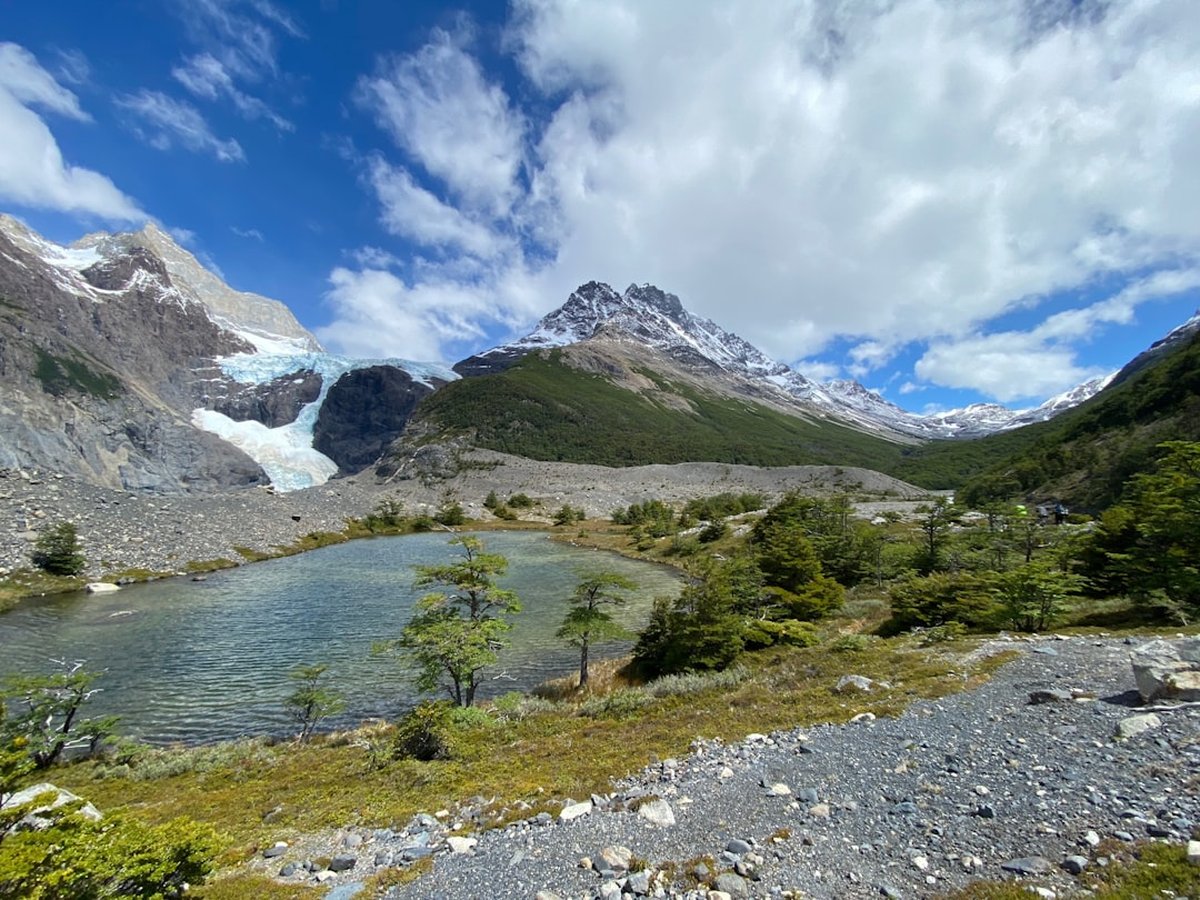
Two Iconic Hiking Destinations, One Big Decision
When it comes to bucket-list hiking destinations, Patagonia and Iceland consistently top every adventurer's list. Both offer otherworldly landscapes, challenging trails, and the kind of raw natural beauty that makes you feel genuinely small. But they deliver completely different experiences.
Patagonia draws hikers with its jagged granite spires, ancient glaciers, and vast wilderness that feels untouched by time. Iceland captivates with volcanic terrain, geothermal wonders, and landscapes that shift from black sand deserts to emerald valleys within miles.
Choosing between them isn't about which is "better"—it's about which destination matches your hiking style, budget, fitness level, and travel timeline. This comparison breaks down everything you need to make that decision with confidence.
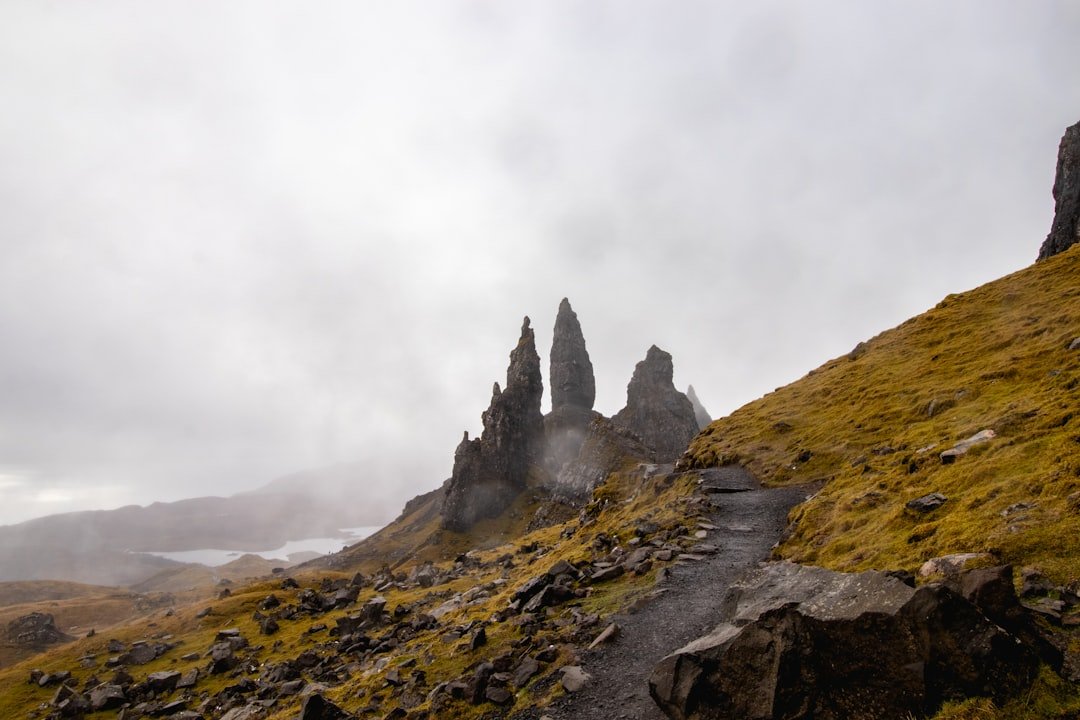
Photo by Trevor Minett on Unsplash
Quick Comparison Table
| Feature | Patagonia | Iceland |
|---|---|---|
| Best Season | November–March | June–August |
| Trail Difficulty | Moderate to Strenuous | Easy to Moderate |
| Daily Budget | $100–200 USD | $150–300 USD |
| Flight Time (from US) | 12–18 hours | 5–7 hours |
| Permit Required | Yes (W Trek, O Circuit) | No (most trails) |
| Wildlife Encounters | Guanacos, condors, pumas | Puffins, seals, Arctic foxes |
| Altitude Concerns | Low (sea level to 1,200m) | Very low (mostly under 500m) |
| Multi-Day Trek Options | Extensive | Limited |
| Infrastructure | Remote, basic refugios | Well-developed, accessible |
| Crowds | Moderate (peak season) | Heavy (Ring Road areas) |
Patagonia: The Ultimate Wilderness Challenge
Patagonia spans the southern tip of South America, covering parts of both Chile and Argentina. For hikers, the crown jewels are Torres del Paine National Park in Chile and Los Glaciares National Park in Argentina, home to the famous Fitz Roy massif.
This region delivers hiking in its purest form—long days on trail, genuine remoteness, and landscapes that reward every grueling ascent. The iconic W Trek covers roughly 80 kilometers over 4–5 days, while the full O Circuit extends that to 130 kilometers over 7–9 days. These aren't casual walks; they demand preparation, fitness, and respect for rapidly changing weather.
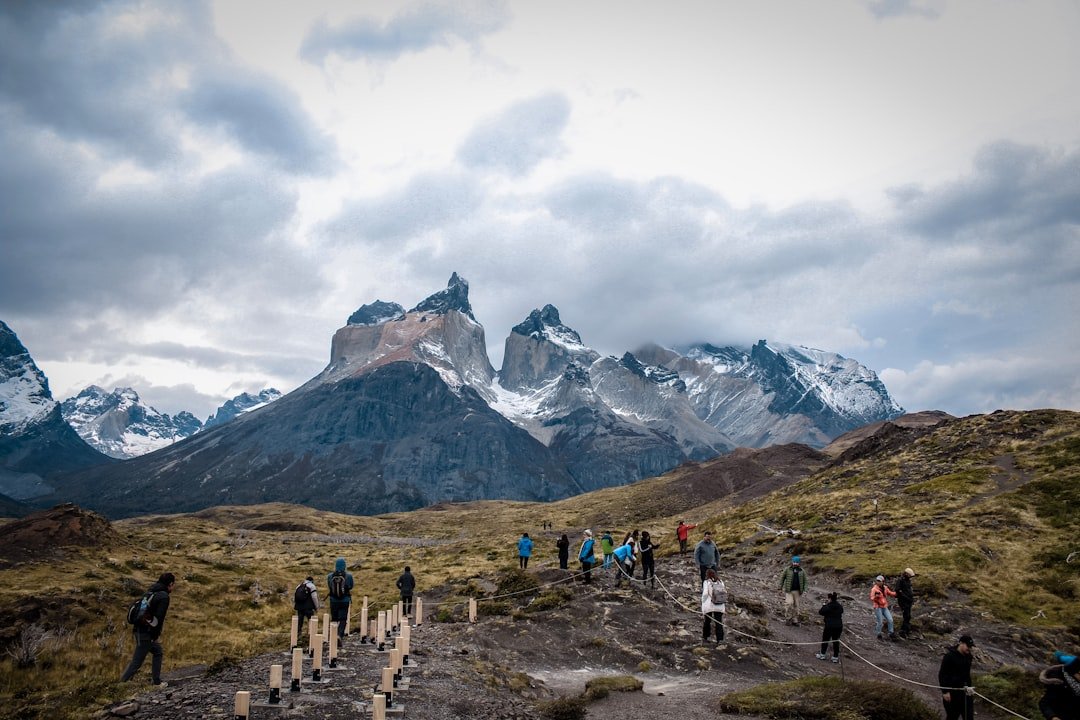
Trail Difficulty & Terrain
Patagonia trails range from moderate to strenuous. The W Trek involves significant elevation gain, with the most challenging section being the steep climb to the Torres base viewpoint—a 2,800-foot ascent that takes most hikers 4–5 hours each way. Trail surfaces vary from well-maintained paths to rocky scrambles and occasional river crossings.
Weather is the wild card. Patagonia's infamous winds can exceed 100 km/h, and you might experience all four seasons in a single day. Waterproof layers, sturdy boots, and quality trekking poles aren't optional—they're survival gear.
- Unmatched multi-day trekking experiences
- Dramatic granite peaks and blue glaciers
- True wilderness immersion
- Lower altitude means no acclimatization needed
- Less crowded than Iceland's popular spots
- Expensive and time-consuming to reach
- Unpredictable, often harsh weather
- Requires advance permit booking (months ahead)
- Limited refugio availability in peak season
- Physically demanding terrain
Best For
Patagonia suits experienced hikers seeking a genuine challenge. If you want to carry a pack for days, sleep in mountain refugios or tents, and earn every viewpoint through physical effort, this is your destination. It's also ideal for photographers—the interplay of light on granite, ice, and turquoise lakes creates constantly changing compositions.
Iceland: Accessible Adventure in Alien Landscapes
Iceland packs an absurd variety of landscapes into an island roughly the size of Kentucky. Volcanic craters, geothermal hot springs, massive waterfalls, black sand beaches, and glacier tongues all sit within day-trip distance of Reykjavik. For hikers, this means incredible diversity without committing to week-long expeditions.
The Laugavegur Trail is Iceland's premier multi-day trek, covering 55 kilometers through rhyolite mountains, obsidian fields, and geothermal valleys over 3–4 days. But unlike Patagonia, Iceland also excels at single-day adventures—you can hike behind waterfalls, across glacier edges, and into volcanic calderas all as standalone experiences.
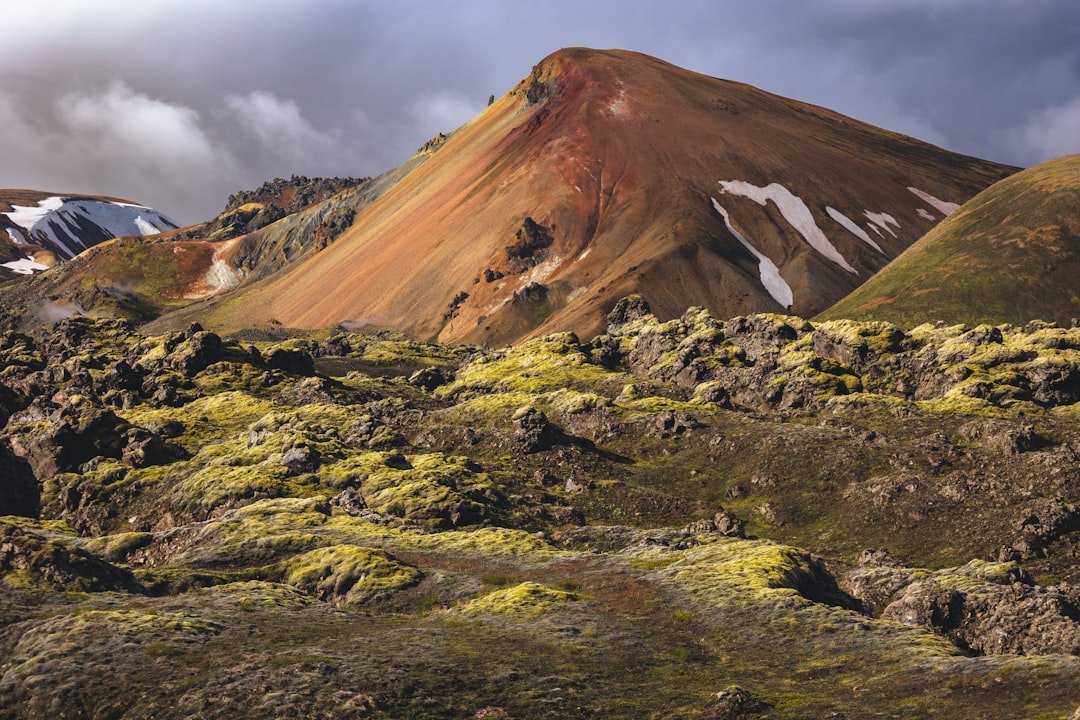
Trail Difficulty & Terrain
Iceland's trails generally rank easier than Patagonia's, with less sustained elevation gain and more forgiving distances. The Laugavegur Trail has moderate difficulty, with a few river crossings (some requiring wading) and one steep descent. Most popular day hikes fall into the easy-to-moderate category.
However, terrain variety keeps things interesting. You'll walk across lava fields, spongy moss, volcanic ash, and occasionally snow patches even in summer. Proper waterproof boots are essential—Iceland lives up to its reputation for horizontal rain. The Icelandic Met Office provides crucial weather updates for planning any hike.
- Quick flight from North America and Europe
- Excellent day-hike options
- Geothermal hot springs for post-hike recovery
- Well-marked trails with good infrastructure
- No permits needed for most hikes
- Incredible landscape variety in small area
- Significantly more expensive overall
- Popular areas get very crowded
- Limited multi-day trekking compared to Patagonia
- Summer daylight (24 hours) disrupts sleep
- Fewer dramatic mountain peaks
Best For
Iceland works brilliantly for hikers who want adventure without full expedition commitment. It's perfect for those with limited vacation time, first-time international hikers, or anyone who wants to combine trekking with other experiences like whale watching, glacier walks, or the Golden Circle tourist route. Couples and small groups find Iceland's infrastructure makes trip logistics much simpler.
Key Differences That Matter
Time Investment
This might be your deciding factor. Iceland works for a week-long trip—fly in, hike for several days, fly home. Patagonia demands more. Between long-haul flights, ground transfers to trailheads, and the multi-day nature of the best treks, you need a minimum of 10–14 days to make the journey worthwhile. For time-strapped hikers, Iceland wins on accessibility.
Budget Reality
Both destinations are expensive, but in different ways. Getting to Patagonia costs more in flights and time, but once there, refugio stays, camping, and food remain reasonably priced by adventure travel standards. Iceland's proximity saves on airfare, but daily costs—accommodation, food, car rental—add up fast. Budget travelers may actually find Patagonia more manageable once flight costs are absorbed.
Solitude vs. Accessibility
Patagonia delivers genuine remoteness. On the O Circuit, you'll hike for hours without seeing another person. That solitude comes with responsibility—you're truly on your own if something goes wrong. Iceland's popular trails often feel busy, especially near Reykjavik, but the tradeoff is easy access to help, supplies, and infrastructure. The Laugavegur offers a middle ground with mountain huts spaced along the route.
Wildlife Encounters
Neither destination is a safari, but both offer memorable wildlife. Patagonia's star is the Andean condor—watching these massive birds soar above the peaks never gets old. Guanacos (wild llama relatives) roam freely, and lucky hikers spot the elusive puma. Iceland's wildlife highlights include puffin colonies (seasonal), seals lounging on beaches, and Arctic foxes in remote areas. If wildlife matters to you, research seasonal timing carefully—puffins only nest May through August.
The Verdict: Which Should You Choose?
Choose Patagonia if: - You have 10+ days available - Multi-day backpacking excites you more than day hikes - You're an experienced hiker comfortable with challenging conditions - Wilderness solitude matters more than convenience - You've already done Iceland and want something more remote
Choose Iceland if: - You have a week or less - You prefer mixing hiking with other activities - You're newer to adventure travel or hiking internationally - Accessibility and infrastructure provide peace of mind - You want dramatic landscapes without extreme physical demands
There's no wrong answer here. Both destinations deliver transformative hiking experiences that justify their bucket-list status. Patagonia asks more of you—more time, more fitness, more planning—and rewards you with unmatched wilderness immersion. Iceland offers more flexibility and accessibility while still providing landscapes that look like another planet.
Patagonia changed how I think about hiking—it demanded everything and gave back more than I imagined. Iceland was where I fell in love with adventure travel in the first place. They're both essential, just at different points in your journey.
Frequently Asked Questions
Start Planning Your Hiking Adventure
Whichever destination calls to you, the key is starting your planning early. Both Patagonia and Iceland reward hikers who do their homework—researching trail conditions, understanding weather patterns, and booking key accommodations well ahead.
Explore our destination guides for detailed itineraries, packing checklists, and insider tips from hikers who've walked these trails. Your bucket-list adventure starts with the first step of planning.
Ready to Plan Your Hiking Trip?
Browse our curated adventure travel guides for Patagonia and Iceland, complete with day-by-day itineraries and downloadable planning templates.
Explore Adventure Guides
Comments
No comments yet. Be the first to comment!
Leave a Comment